Buy worldplus.org ?
We are moving the project
worldplus.org .
Are you interested in purchasing the domain
worldplus.org ?
domain@kv-gmbh.de · 0541-91531010
Buy worldplus.org ?
Is allosteric inhibition the same as non-competitive inhibition?
Allosteric inhibition and non-competitive inhibition are not the same, although they are related. Non-competitive inhibition refers to the binding of an inhibitor to a site on the enzyme that is not the active site, thereby preventing the substrate from binding to the active site. Allosteric inhibition, on the other hand, occurs when an inhibitor binds to a site on the enzyme that is distinct from the active site, causing a conformational change in the enzyme that reduces its activity. While both types of inhibition involve the binding of an inhibitor to a site other than the active site, allosteric inhibition specifically involves a change in the enzyme's shape and activity. **
What type of inhibition occurs through allosteric activation/inhibition?
Allosteric inhibition occurs when a molecule binds to an allosteric site on an enzyme, causing a conformational change that reduces the enzyme's activity. This type of inhibition is non-competitive, meaning it does not compete with the substrate for the active site. Allosteric activation, on the other hand, occurs when a molecule binds to an allosteric site and enhances the enzyme's activity. Both allosteric inhibition and activation involve the binding of a regulatory molecule to a site other than the active site of the enzyme, leading to a change in the enzyme's activity. **

Similar search terms for Inhibition
Top-Angebote
Products related to Inhibition:
-
DevExpress Universal Lifetime License Key GLOBAL With One Year SupportDevExpress Universal The Ultimate Software Development Platform Release and Overview Current Major Version: v25.2 (Released December 2025) Platform Support: .NET 10, .NET 9, .NET 8, .NET Framework 4.5.2+, and JavaScript (Angular, React, Vue) DevExpress Universal: Build Your Best, Without Limits DevExpress Universal is the flagship, award-winning developer suite designed for .NET and Visual Studio developers. It is a comprehensive collection of over 500+ UI controls, reporting tools, and enterprise-grade frameworks. Whether you are building high-performance desktop applications for Windows, responsive web apps with Blazor, or cross-platform mobile solutions using .NET MAUI, DevExpress provides the components needed to deliver pixel-perfect user experiences. The 2025 release (v25.2) specifically focuses on AI integration , allowing developers to embed natural language processing and AI-driven data analysis directly into their business applications. The Problem It Solves Building modern, data-intensive enterprise applications from scratch is time-consuming and prone to performance bottlenecks. DevExpress Universal solves this by providing "Drop-in" high-performance components like the industry-leading Data Grid, which can handle millions of rows with ease. It eliminates the need to build complex reporting engines, dashboards, or security modules manually, allowing development teams to focus on business logic rather than UI infrastructure. Key Features Defining the Universal Suite AI-Powered Extensions: Includes the new AI Chat Control and AI-integrated extensions for Blazor and WinForms, enabling "Talk to your Data" features. Masterful Data Grids: High-speed grids for WinForms, WPF, and Web with built-in sorting, grouping, filtering, and summary calculations. Advanced Reporting: A pixel-perfect, royalty-free reporting engine with a visual designer that supports PDF, Excel, and Word exports. BI Dashboard: Transform raw data into interactive, real-time analytics dashboards for executive-level decision support. CodeRush Ultimate: An AI-enhanced IDE productivity tool for Visual Studio that helps you write, refactor, and test code faster (now includes AiGen and AiFind). XAF (Cross-Platform App UI): A powerful application framework that allows you to generate a multi-platform UI (Web, Desktop, and Mobile) simultaneously from a single C# data model. Office File API: Process Word, Excel, and PDF documents programmatically without needing Microsoft Office installed on the server. DevExpress Universal FAQ Q: Is the runtime royalty-free? A: Yes. Once you build an application with DevExpress, you can distribute it to as many users as you like without paying additional fees. Q: Does Universal include source code? A: Yes. The Universal subscription includes the source code for most UI controls, providing transparency and easy debugging. Q: Can I use one license for multiple machines? A: A single developer license allows one person to install the suite on their…21275,37 £*Shipping: 0,00 £Secure redirect to the provider
-
CosmoLiving by Cosmopolitan - CosmoLiving by Cosmopolitan Green Faux Foliage Topiary Indoor Outdoor Artificial Foliage BallUse it as a centerpiece on the living room coffee table or a corner accent piece by the hallway console dresser. Add some greenery to your decor with no keep up effort with these artificial foliage.25,99 $*Shipping: 0,00 $Secure redirect to the provider
-
CosmoLiving by Cosmopolitan Metal Modern VaseThe unique and bold design of this decorative gold vase makes it an instant conversation piece and a gorgeous accent decor for your home This vase is perfect for displaying orbs filler and twigs, as well as filling up any negative space against an...39,49 $*Shipping: 0,00 $Secure redirect to the provider



-
What is the difference between competitive inhibition and allosteric inhibition?
Competitive inhibition occurs when a molecule competes with the substrate for the active site of an enzyme, effectively blocking the substrate from binding and inhibiting the enzyme's activity. In contrast, allosteric inhibition occurs when a molecule binds to a site on the enzyme other than the active site, causing a conformational change that reduces the enzyme's activity. While competitive inhibition directly competes with the substrate for the active site, allosteric inhibition involves binding to a different site on the enzyme to regulate its activity. **
-
Is allosteric inhibition irreversible?
Allosteric inhibition is typically reversible, meaning that the inhibitor can bind to the allosteric site and block the activity of the enzyme, but can also dissociate from the site, allowing the enzyme to regain its activity. This is in contrast to irreversible inhibition, where the inhibitor forms a covalent bond with the enzyme, permanently inactivating it. **
-
Non-competitive inhibition, right?
Non-competitive inhibition is a type of enzyme inhibition where the inhibitor binds to a site on the enzyme that is not the active site. This binding causes a conformational change in the enzyme, making it less effective at catalyzing the reaction. Non-competitive inhibitors do not compete with the substrate for binding to the enzyme. Instead, they can bind to the enzyme-substrate complex or to a separate allosteric site on the enzyme. **
-
What is allosteric inhibition?
Allosteric inhibition is a type of enzyme regulation where a molecule binds to a site on the enzyme that is different from the active site, causing a conformational change in the enzyme's structure. This change reduces the enzyme's activity and ability to bind to its substrate, ultimately inhibiting its function. Allosteric inhibition is a reversible process and can be used to regulate enzyme activity in response to changing cellular conditions. **


What is the difference between allosteric inhibition and competitive inhibition in biology?
Allosteric inhibition occurs when a molecule binds to an allosteric site on an enzyme, causing a conformational change that reduces the enzyme's activity. This type of inhibition is non-competitive and can affect multiple enzymes in a metabolic pathway. On the other hand, competitive inhibition occurs when a molecule competes with the substrate for the active site of the enzyme, effectively blocking the substrate from binding and reducing the enzyme's activity. Competitive inhibition can be overcome by increasing the concentration of the substrate, while allosteric inhibition cannot be overcome in the same way. **
What is the difference between non-competitive inhibition and allosteric inhibition in biochemistry?
Non-competitive inhibition occurs when an inhibitor binds to an enzyme at a site other than the active site, causing a conformational change in the enzyme that reduces its activity. This type of inhibition does not compete with the substrate for binding to the active site. On the other hand, allosteric inhibition occurs when an inhibitor binds to an allosteric site on the enzyme, causing a conformational change that reduces the enzyme's activity. Allosteric inhibition can be reversible or irreversible, and it can be overcome by increasing the concentration of the substrate. **
Top-Angebote
Products related to Inhibition:
-
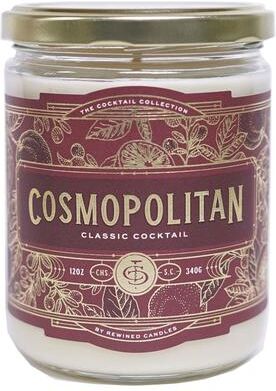
Wine.com """Rewined Cosmopolitan Candle""""""This trending Cosmopolitan Cocktail Candle from Rewined is part of their new Cocktail Collection. Made in Charleston, South Carolina, this candle is created by pouring all-natural soy wax into designer glass vessels that will burn for 50+ hours...."23,99 $*Shipping: 0,00 $Secure redirect to the provider
-
DevExpress Universal Lifetime License Key GLOBAL With One Year SupportDevExpress Universal The Ultimate Software Development Platform Release and Overview Current Major Version: v25.2 (Released December 2025) Platform Support: .NET 10, .NET 9, .NET 8, .NET Framework 4.5.2+, and JavaScript (Angular, React, Vue) DevExpress Universal: Build Your Best, Without Limits DevExpress Universal is the flagship, award-winning developer suite designed for .NET and Visual Studio developers. It is a comprehensive collection of over 500+ UI controls, reporting tools, and enterprise-grade frameworks. Whether you are building high-performance desktop applications for Windows, responsive web apps with Blazor, or cross-platform mobile solutions using .NET MAUI, DevExpress provides the components needed to deliver pixel-perfect user experiences. The 2025 release (v25.2) specifically focuses on AI integration , allowing developers to embed natural language processing and AI-driven data analysis directly into their business applications. The Problem It Solves Building modern, data-intensive enterprise applications from scratch is time-consuming and prone to performance bottlenecks. DevExpress Universal solves this by providing "Drop-in" high-performance components like the industry-leading Data Grid, which can handle millions of rows with ease. It eliminates the need to build complex reporting engines, dashboards, or security modules manually, allowing development teams to focus on business logic rather than UI infrastructure. Key Features Defining the Universal Suite AI-Powered Extensions: Includes the new AI Chat Control and AI-integrated extensions for Blazor and WinForms, enabling "Talk to your Data" features. Masterful Data Grids: High-speed grids for WinForms, WPF, and Web with built-in sorting, grouping, filtering, and summary calculations. Advanced Reporting: A pixel-perfect, royalty-free reporting engine with a visual designer that supports PDF, Excel, and Word exports. BI Dashboard: Transform raw data into interactive, real-time analytics dashboards for executive-level decision support. CodeRush Ultimate: An AI-enhanced IDE productivity tool for Visual Studio that helps you write, refactor, and test code faster (now includes AiGen and AiFind). XAF (Cross-Platform App UI): A powerful application framework that allows you to generate a multi-platform UI (Web, Desktop, and Mobile) simultaneously from a single C# data model. Office File API: Process Word, Excel, and PDF documents programmatically without needing Microsoft Office installed on the server. DevExpress Universal FAQ Q: Is the runtime royalty-free? A: Yes. Once you build an application with DevExpress, you can distribute it to as many users as you like without paying additional fees. Q: Does Universal include source code? A: Yes. The Universal subscription includes the source code for most UI controls, providing transparency and easy debugging. Q: Can I use one license for multiple machines? A: A single developer license allows one person to install the suite on their…21275,37 £*Shipping: 0,00 £Secure redirect to the provider
-
Is allosteric inhibition the same as non-competitive inhibition?
Allosteric inhibition and non-competitive inhibition are not the same, although they are related. Non-competitive inhibition refers to the binding of an inhibitor to a site on the enzyme that is not the active site, thereby preventing the substrate from binding to the active site. Allosteric inhibition, on the other hand, occurs when an inhibitor binds to a site on the enzyme that is distinct from the active site, causing a conformational change in the enzyme that reduces its activity. While both types of inhibition involve the binding of an inhibitor to a site other than the active site, allosteric inhibition specifically involves a change in the enzyme's shape and activity. **
-
What type of inhibition occurs through allosteric activation/inhibition?
Allosteric inhibition occurs when a molecule binds to an allosteric site on an enzyme, causing a conformational change that reduces the enzyme's activity. This type of inhibition is non-competitive, meaning it does not compete with the substrate for the active site. Allosteric activation, on the other hand, occurs when a molecule binds to an allosteric site and enhances the enzyme's activity. Both allosteric inhibition and activation involve the binding of a regulatory molecule to a site other than the active site of the enzyme, leading to a change in the enzyme's activity. **
-
What is the difference between competitive inhibition and allosteric inhibition?
Competitive inhibition occurs when a molecule competes with the substrate for the active site of an enzyme, effectively blocking the substrate from binding and inhibiting the enzyme's activity. In contrast, allosteric inhibition occurs when a molecule binds to a site on the enzyme other than the active site, causing a conformational change that reduces the enzyme's activity. While competitive inhibition directly competes with the substrate for the active site, allosteric inhibition involves binding to a different site on the enzyme to regulate its activity. **
-
Is allosteric inhibition irreversible?
Allosteric inhibition is typically reversible, meaning that the inhibitor can bind to the allosteric site and block the activity of the enzyme, but can also dissociate from the site, allowing the enzyme to regain its activity. This is in contrast to irreversible inhibition, where the inhibitor forms a covalent bond with the enzyme, permanently inactivating it. **
Similar search terms for Inhibition
-
CosmoLiving by Cosmopolitan - CosmoLiving by Cosmopolitan Green Faux Foliage Topiary Indoor Outdoor Artificial Foliage BallUse it as a centerpiece on the living room coffee table or a corner accent piece by the hallway console dresser. Add some greenery to your decor with no keep up effort with these artificial foliage.25,99 $*Shipping: 0,00 $Secure redirect to the provider
-
CosmoLiving by Cosmopolitan Metal Modern VaseThe unique and bold design of this decorative gold vase makes it an instant conversation piece and a gorgeous accent decor for your home This vase is perfect for displaying orbs filler and twigs, as well as filling up any negative space against an...39,49 $*Shipping: 0,00 $Secure redirect to the provider
-
Non-competitive inhibition, right?
Non-competitive inhibition is a type of enzyme inhibition where the inhibitor binds to a site on the enzyme that is not the active site. This binding causes a conformational change in the enzyme, making it less effective at catalyzing the reaction. Non-competitive inhibitors do not compete with the substrate for binding to the enzyme. Instead, they can bind to the enzyme-substrate complex or to a separate allosteric site on the enzyme. **
-
What is allosteric inhibition?
Allosteric inhibition is a type of enzyme regulation where a molecule binds to a site on the enzyme that is different from the active site, causing a conformational change in the enzyme's structure. This change reduces the enzyme's activity and ability to bind to its substrate, ultimately inhibiting its function. Allosteric inhibition is a reversible process and can be used to regulate enzyme activity in response to changing cellular conditions. **
-
What is the difference between allosteric inhibition and competitive inhibition in biology?
Allosteric inhibition occurs when a molecule binds to an allosteric site on an enzyme, causing a conformational change that reduces the enzyme's activity. This type of inhibition is non-competitive and can affect multiple enzymes in a metabolic pathway. On the other hand, competitive inhibition occurs when a molecule competes with the substrate for the active site of the enzyme, effectively blocking the substrate from binding and reducing the enzyme's activity. Competitive inhibition can be overcome by increasing the concentration of the substrate, while allosteric inhibition cannot be overcome in the same way. **
-
What is the difference between non-competitive inhibition and allosteric inhibition in biochemistry?
Non-competitive inhibition occurs when an inhibitor binds to an enzyme at a site other than the active site, causing a conformational change in the enzyme that reduces its activity. This type of inhibition does not compete with the substrate for binding to the active site. On the other hand, allosteric inhibition occurs when an inhibitor binds to an allosteric site on the enzyme, causing a conformational change that reduces the enzyme's activity. Allosteric inhibition can be reversible or irreversible, and it can be overcome by increasing the concentration of the substrate. **
* All prices are inclusive of VAT and, if applicable, plus shipping costs. The offer information is based on the details provided by the respective shop and is updated through automated processes. Real-time updates do not occur, so deviations can occur in individual cases. ** Note: Parts of this content were created by AI.