Buy worldplus.org ?
We are moving the project
worldplus.org .
Are you interested in purchasing the domain
worldplus.org ?
domain@kv-gmbh.de · 0541-91531010
Buy worldplus.org ?
What are constellations?
Constellations are patterns of stars that form recognizable shapes or figures in the night sky. These patterns are often named after mythological characters, animals, or objects, and have been used for centuries as a way to navigate and tell stories. While the stars in a constellation may appear close together from our perspective on Earth, they are often at vastly different distances from us in space. Constellations are a way for us to make sense of the vastness of the night sky and connect with the universe around us. **
Do you know constellations?
Yes, I am familiar with constellations. Constellations are patterns of stars in the sky that have been identified and named by ancient civilizations. They are used as a way to navigate the night sky and tell stories about the myths and legends associated with them. Some well-known constellations include Orion, Ursa Major, and Cassiopeia. **


Similar search terms for Constellations
Top-Angebote
Products related to Constellations:
-
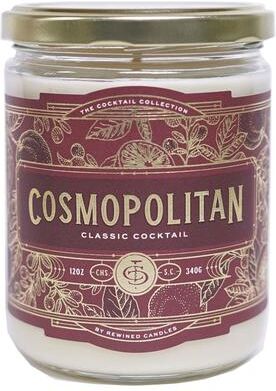
Wine.com """Rewined Cosmopolitan Candle""""""This trending Cosmopolitan Cocktail Candle from Rewined is part of their new Cocktail Collection. Made in Charleston, South Carolina, this candle is created by pouring all-natural soy wax into designer glass vessels that will burn for 50+ hours...."23,99 $*Shipping: 0,00 $Secure redirect to the provider
-
CosmoLiving by Cosmopolitan - CosmoLiving by Cosmopolitan Green Faux Foliage Topiary Indoor Outdoor Artificial Foliage BallUse it as a centerpiece on the living room coffee table or a corner accent piece by the hallway console dresser. Add some greenery to your decor with no keep up effort with these artificial foliage.25,99 $*Shipping: 0,00 $Secure redirect to the provider
-
CosmoLiving by Cosmopolitan Metal Modern VaseThe unique and bold design of this decorative gold vase makes it an instant conversation piece and a gorgeous accent decor for your home This vase is perfect for displaying orbs filler and twigs, as well as filling up any negative space against an...39,49 $*Shipping: 0,00 $Secure redirect to the provider



-
What are new constellations?
New constellations are groupings of stars that have been recently identified and named, often based on cultural or historical significance. These constellations may not be officially recognized by the International Astronomical Union, but they serve as a way to highlight different stories and perspectives from various cultures around the world. By creating new constellations, we can expand our understanding of the night sky and appreciate the diversity of human imagination and creativity. **
-
What are official constellations?
Official constellations are specific groupings of stars that have been recognized and named by the International Astronomical Union (IAU). These constellations are used by astronomers and navigators to locate and identify stars in the night sky. There are 88 official constellations, each with its own unique name and set of stars that form a recognizable pattern. These constellations have been established over centuries and are considered the standard for celestial navigation and mapping. **
-
How were the constellations formed?
Constellations were formed by ancient civilizations who connected the dots of stars in the night sky to create patterns that resembled animals, objects, or figures from their mythology. These patterns helped people navigate the sky and track the movement of celestial bodies. Over time, different cultures developed their own unique constellations based on their beliefs and stories. Today, the International Astronomical Union recognizes 88 official constellations that are used for mapping the night sky. **
-
Why do the constellations change?
Constellations appear to change positions in the sky due to the Earth's rotation on its axis. As the Earth moves around the Sun, different constellations become visible at different times of the year. This phenomenon is known as the precession of the equinoxes, which causes the position of the stars in the sky to shift slightly over long periods of time. Additionally, the changing positions of the Earth and other celestial bodies in our solar system can also affect the apparent positions of the constellations. **


How were the constellations created?
Constellations were created by ancient civilizations who connected the dots of stars in the night sky to form patterns that resembled animals, objects, or figures from their mythology. These patterns were used as a way to navigate the night sky and tell stories about the gods and heroes in their culture. Over time, different cultures developed their own unique constellations based on their beliefs and traditions. Today, these constellations are recognized and used by astronomers as a way to locate and identify stars in the sky. **
How can I remember constellations?
To remember constellations, you can start by learning the most prominent ones visible in the night sky, such as Orion, Ursa Major, and Cassiopeia. Use a star chart or a stargazing app to help you identify and locate these constellations. Additionally, try to create mnemonic devices or stories to associate with the shapes and patterns of the stars within each constellation, as this can help you remember them more easily. Finally, regular stargazing and practice will also help reinforce your memory of the constellations over time. **
Top-Angebote
Products related to Constellations:
-
Nourison Cosmopolitan Area RugThis collection features amazing contemporary and transitional designs of Celestial, Harlequin and Zebra patterns in fabulous color combinations. Each design features finely hand carved accents for additional visual and textural appeal.405,00 $*Shipping: 0,00 $Secure redirect to the provider
-
Wine.com """Rewined Cosmopolitan Candle""""""This trending Cosmopolitan Cocktail Candle from Rewined is part of their new Cocktail Collection. Made in Charleston, South Carolina, this candle is created by pouring all-natural soy wax into designer glass vessels that will burn for 50+ hours...."23,99 $*Shipping: 0,00 $Secure redirect to the provider
-
What are constellations?
Constellations are patterns of stars that form recognizable shapes or figures in the night sky. These patterns are often named after mythological characters, animals, or objects, and have been used for centuries as a way to navigate and tell stories. While the stars in a constellation may appear close together from our perspective on Earth, they are often at vastly different distances from us in space. Constellations are a way for us to make sense of the vastness of the night sky and connect with the universe around us. **
-
Do you know constellations?
Yes, I am familiar with constellations. Constellations are patterns of stars in the sky that have been identified and named by ancient civilizations. They are used as a way to navigate the night sky and tell stories about the myths and legends associated with them. Some well-known constellations include Orion, Ursa Major, and Cassiopeia. **
-
What are new constellations?
New constellations are groupings of stars that have been recently identified and named, often based on cultural or historical significance. These constellations may not be officially recognized by the International Astronomical Union, but they serve as a way to highlight different stories and perspectives from various cultures around the world. By creating new constellations, we can expand our understanding of the night sky and appreciate the diversity of human imagination and creativity. **
-
What are official constellations?
Official constellations are specific groupings of stars that have been recognized and named by the International Astronomical Union (IAU). These constellations are used by astronomers and navigators to locate and identify stars in the night sky. There are 88 official constellations, each with its own unique name and set of stars that form a recognizable pattern. These constellations have been established over centuries and are considered the standard for celestial navigation and mapping. **
Similar search terms for Constellations
-
CosmoLiving by Cosmopolitan - CosmoLiving by Cosmopolitan Green Faux Foliage Topiary Indoor Outdoor Artificial Foliage BallUse it as a centerpiece on the living room coffee table or a corner accent piece by the hallway console dresser. Add some greenery to your decor with no keep up effort with these artificial foliage.25,99 $*Shipping: 0,00 $Secure redirect to the provider
-
CosmoLiving by Cosmopolitan Metal Modern VaseThe unique and bold design of this decorative gold vase makes it an instant conversation piece and a gorgeous accent decor for your home This vase is perfect for displaying orbs filler and twigs, as well as filling up any negative space against an...39,49 $*Shipping: 0,00 $Secure redirect to the provider
-
CosmoLiving by Cosmopolitan Blue Shell Contemporary VaseThe attractive and bold design of this blue decorative vase makes it an instant conversation piece and a gorgeous accent decor for your home This vase is perfect for displaying orbs filler and twigs, as well as filling up any negative space against an…43,49 $*Shipping: 0,00 $Secure redirect to the provider
-
CosmoLiving by Cosmopolitan White Ceramic Modern VaseDisplay as solo accent table decor or with tall vase fillers. Designed with felt or rubber stoppers at the base that prevent scratching furniture and table tops, as well as sliding around. This item ships in 1 carton.39,59 $*Shipping: 0,00 $Secure redirect to the provider
-
How were the constellations formed?
Constellations were formed by ancient civilizations who connected the dots of stars in the night sky to create patterns that resembled animals, objects, or figures from their mythology. These patterns helped people navigate the sky and track the movement of celestial bodies. Over time, different cultures developed their own unique constellations based on their beliefs and stories. Today, the International Astronomical Union recognizes 88 official constellations that are used for mapping the night sky. **
-
Why do the constellations change?
Constellations appear to change positions in the sky due to the Earth's rotation on its axis. As the Earth moves around the Sun, different constellations become visible at different times of the year. This phenomenon is known as the precession of the equinoxes, which causes the position of the stars in the sky to shift slightly over long periods of time. Additionally, the changing positions of the Earth and other celestial bodies in our solar system can also affect the apparent positions of the constellations. **
-
How were the constellations created?
Constellations were created by ancient civilizations who connected the dots of stars in the night sky to form patterns that resembled animals, objects, or figures from their mythology. These patterns were used as a way to navigate the night sky and tell stories about the gods and heroes in their culture. Over time, different cultures developed their own unique constellations based on their beliefs and traditions. Today, these constellations are recognized and used by astronomers as a way to locate and identify stars in the sky. **
-
How can I remember constellations?
To remember constellations, you can start by learning the most prominent ones visible in the night sky, such as Orion, Ursa Major, and Cassiopeia. Use a star chart or a stargazing app to help you identify and locate these constellations. Additionally, try to create mnemonic devices or stories to associate with the shapes and patterns of the stars within each constellation, as this can help you remember them more easily. Finally, regular stargazing and practice will also help reinforce your memory of the constellations over time. **
* All prices are inclusive of VAT and, if applicable, plus shipping costs. The offer information is based on the details provided by the respective shop and is updated through automated processes. Real-time updates do not occur, so deviations can occur in individual cases. ** Note: Parts of this content were created by AI.